 Editorial Team
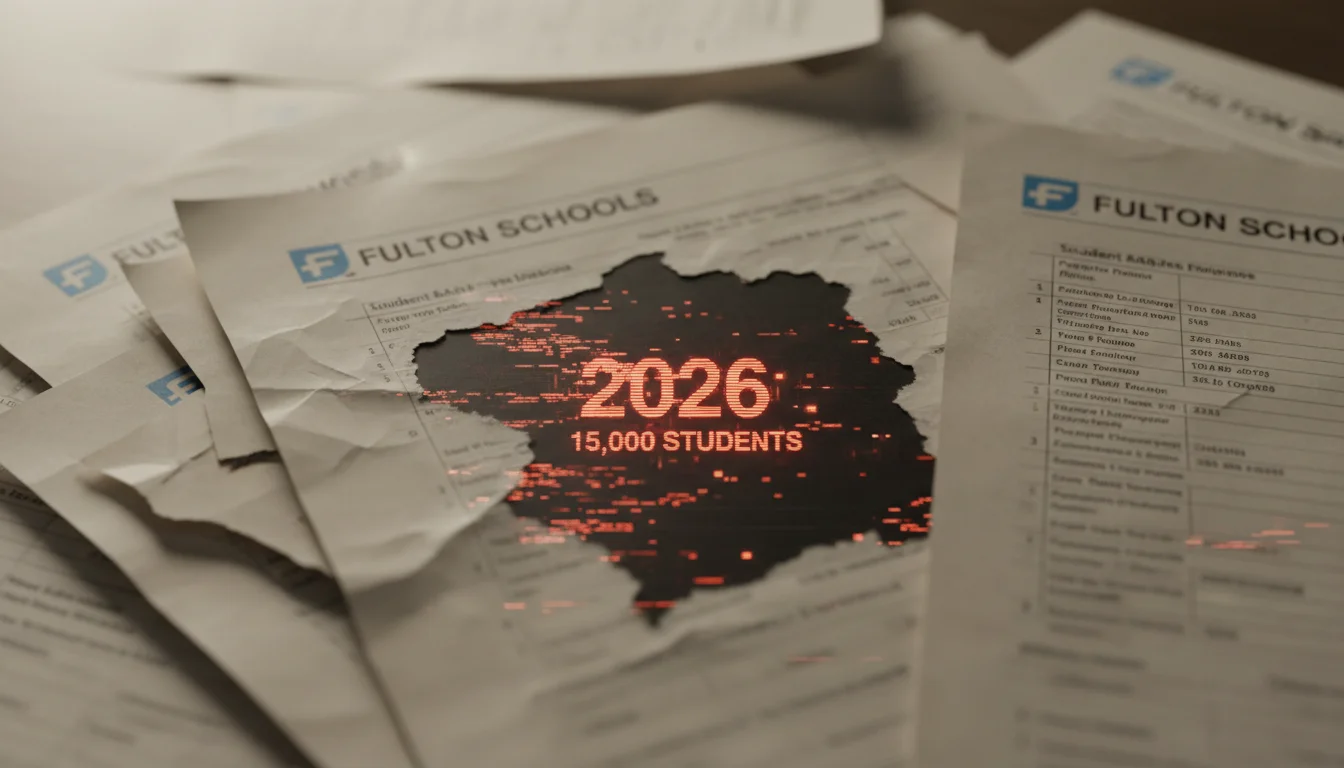
For Dr. Evelyn Reed, Superintendent of the Fulton County School District, the bad news arrived in 2026 as a formal notice from the Georgia Department of Education. A third-party app used for individualized learning plans had been breached, exposing the records of over 15,000 students across her district, which spans Atlanta, Alpharetta, and Sandy Springs. It was a real-world disaster, not a drill. The incident threw into sharp relief the massive vulnerability schools face with student privacy, because the very digital tools they need to function now pose complex risks, especially under the new post-Meta data regulations.
Key Takeaways
- Require annual, independent security audits, like SOC 2 Type 2 reports and penetration tests, from all third-party software vendors to prove they comply with current data protection laws.
- Appoint a district Data Protection Officer (DPO) and establish a concrete data governance framework, including a detailed checklist for vetting vendors and a step-by-step incident response plan.
- Roll out mandatory annual training for all staff on current education law and data privacy, specifically teaching them to spot phishing emails and use secure data handling procedures.
- Create a public-facing dashboard for parents that details data usage policies for every app, and establish a clear communication tree for breach notifications.
- Embed non-negotiable clauses in all vendor contracts, including indemnification for security incidents, clear data ownership by the district, and specific data deletion protocols.
The “EduPath” app had seemed like a great idea back in 2023. The vendor’s sales pitch about personalized learning and real-time tracking was slick, and a pilot program even showed solid academic gains. But the glossy presentation, Dr. Reed later realized, had completely obscured the vendor’s flimsy security. “We asked the right questions, or so we thought,” she told the board in an emergency meeting at the Fulton County Government Center in downtown Atlanta. They had thrown around all the right words, encryption, firewalls, FERPA compliance, and the district had bought it. “But the post-Meta world changed the game,” she said, “and our existing contracts didn’t account for it.”
That “post-Meta” era she mentioned kicked off in late 2024. A firestorm of privacy scandals from big tech companies had forced a legislative crackdown that extended directly to schools, tightening the rules for collecting, storing, and sharing student data. New amendments to the Children’s Online Privacy Protection Act (COPPA) and the Family Educational Rights and Privacy Act (FERPA) meant schools suddenly had a much higher bar for due diligence when signing on with third-party software vendors. It wasn’t just talk. By March 2025, a Pew Research Center report found that 78% of K-12 districts were already struggling to vet ed-tech vendors under the tough new framework.
The impact of the EduPath breach was immediate and brutal. Exposed data included student names, birthdates, academic records, and even sensitive individualized education program (IEP) details. No financial information was lost, but the sheer volume of personal data was staggering, and parents were justifiably furious. With the district’s switchboards completely overwhelmed and local news running segments on a loop, the pressure was immense. Dr. Reed, whose own kids attended district schools, understood the outrage. “As educators, our primary responsibility is student well-being, and that extends to their digital footprint,” she stated publicly, her voice steady. “We failed to anticipate the evolving threat field.”
The legal consequences hit fast. The Georgia Department of Education launched an investigation into potential violations of the updated Georgia Student Data Privacy Act (O.C.G.A. Section 20-2-670). That state law, freshly revised in early 2025, put strict new rules in place for vendor accountability and fast breach notifications. Then came the class-action lawsuit, filed in Fulton County Superior Court by parents who alleged the district was negligent. The lawsuit’s core argument, that harm was foreseeable on these platforms, showed the new reality: schools were now legally responsible for their vendors’ security failures.
Dr. Reed brought in Amelia Chen, a top cybersecurity lawyer specializing in data protection for schools, to help manage the crisis. Chen’s assessment was blunt: the district’s contracts were worthless. “Many school districts are working off contracts drafted before these massive data breaches became common,” she told the school board. “They don’t have clear clauses on who owns the data, audit rights, or liability.” She was clear about the new legal field. “Schools are now custodians of incredibly sensitive data,” Chen stated, “and the law holds them accountable for their vendors’ shortcomings.”
Chen laid out a plan. First, she said, they needed an immediate forensic audit of every single third-party app in the district to find other vulnerabilities beyond just EduPath. Second, the district had to completely rebuild its process for vetting vendors. This meant creating a tough, standardized questionnaire that forced vendors to detail their security setup, data policies, and incident response plans. “We need proof, not just promises,” Chen insisted. “Demand their SOC 2 reports and recent penetration test results. Make them show you documentation of their data encryption, both at rest and in transit.”
Renegotiating contracts was a huge part of Chen’s strategy. She told Dr. Reed to demand clauses that made it crystal clear the district, not the vendor, owned all student data. She also said contracts must spell out exactly how data would be deleted when a contract ended, and that vendors had to carry their own complete cyber liability insurance. “And here’s the kicker,” Chen added, “we have to get indemnification clauses that make vendors pay for legal costs and damages if they’re negligent. In the post-Meta world, this is a non-negotiable term, not a friendly request.”
The district’s own house had to be put in order, too. Dr. Reed rolled out mandatory annual data privacy training for every single employee, from teachers to admin staff. Developed with cybersecurity experts, the training focused on practical skills like spotting phishing emails and properly handling sensitive student info according to the district’s classification policies. “Internal practices can easily create vulnerabilities,” Dr. Reed wrote in a district-wide memo. “Every single person who interacts with student data has a role in protecting it.”
Recovering from the EduPath breach was a painful and expensive process for the Fulton County School District, in terms of both money and reputation. But the crisis did force a complete overhaul of how they handled student data. By the end of 2026, the district had a new Data Governance Committee led by a dedicated Data Protection Officer (DPO), a position that was popping up in schools across Georgia. The committee’s job was concrete: continuously monitor vendor compliance, run a security review on any new technology before purchase, and make sure the district stayed on the right side of privacy laws. They went so far as to build a public portal on the district site where parents could see the privacy policies for every single approved app, a transparency that would have been unimaginable just a few years before.
The lawsuit eventually settled. The district agreed to fund enhanced security and create a fund for the families. But the district also went after EduPath, successfully using its flimsy contract and the new regulatory teeth to win a case against them. That victory, while born from a painful event, set a clear precedent for other districts: you can hold your vendors accountable. For Dr. Reed, the whole ordeal proved that proactive data protection is both a legal and a moral imperative. “We learned the hard way that technology’s promise comes with a deep responsibility,” she reflected. “Our students’ data is their future, and we must guard it fiercely.”
Schools are finally understanding that digital tools come with serious risks. The legal and ethical rules around student data have changed so fast that leaders need a much more sophisticated and vigilant response, especially as those rules, like COPPA and FERPA, get updated. Outdated contracts and a vendor’s verbal promises are now completely insufficient. The post-Meta era demands constant contract reviews, tough technical oversight, and a real commitment to protecting every student’s digital footprint.
What is the primary impact of “post-Meta” regulations on student data privacy?
“Post-Meta” regulations, like the recent amendments to COPPA and FERPA, put the legal blame squarely on school districts for what happens to their student data. This is especially true for data shared with third-party ed-tech vendors. Districts now have to perform much stricter due diligence and write stronger contracts.
What specific clauses should schools now demand in contracts with ed-tech vendors?
Contracts must have clauses confirming the district owns the data, not the vendor. They need to spell out data deletion procedures for when the contract ends. Insist on the vendor carrying their own cyber liability insurance and, most importantly, include indemnification clauses that make the vendor pay for legal costs and damages if their negligence causes a breach.
How does Georgia law address student data privacy in this new environment?
Georgia’s revised Student Data Privacy Act (O.C.G.A. Section 20-2-670) puts new pressure on third-party vendors to be accountable. It also forces schools to follow much faster and clearer procedures for notifying parents after a breach, matching the new, higher standards for protecting student data in the state.
What role does a Data Protection Officer (DPO) play in a school district?
The Data Protection Officer (DPO) runs the district’s data governance program. Their day-to-day job is to monitor vendor compliance, vet any new technology the district wants to buy, and make sure the district is following all state and federal privacy laws. They are the single point of contact for data protection.
What internal measures can school districts take to enhance student data protection?
The best internal steps are practical ones. First, run mandatory, annual training for all staff on how to spot phishing attacks and handle data securely. Second, conduct regular, independent audits of every third-party app in use. Finally, build a transparent system for parents to see how data is used and know exactly how they’ll be notified of a breach.


