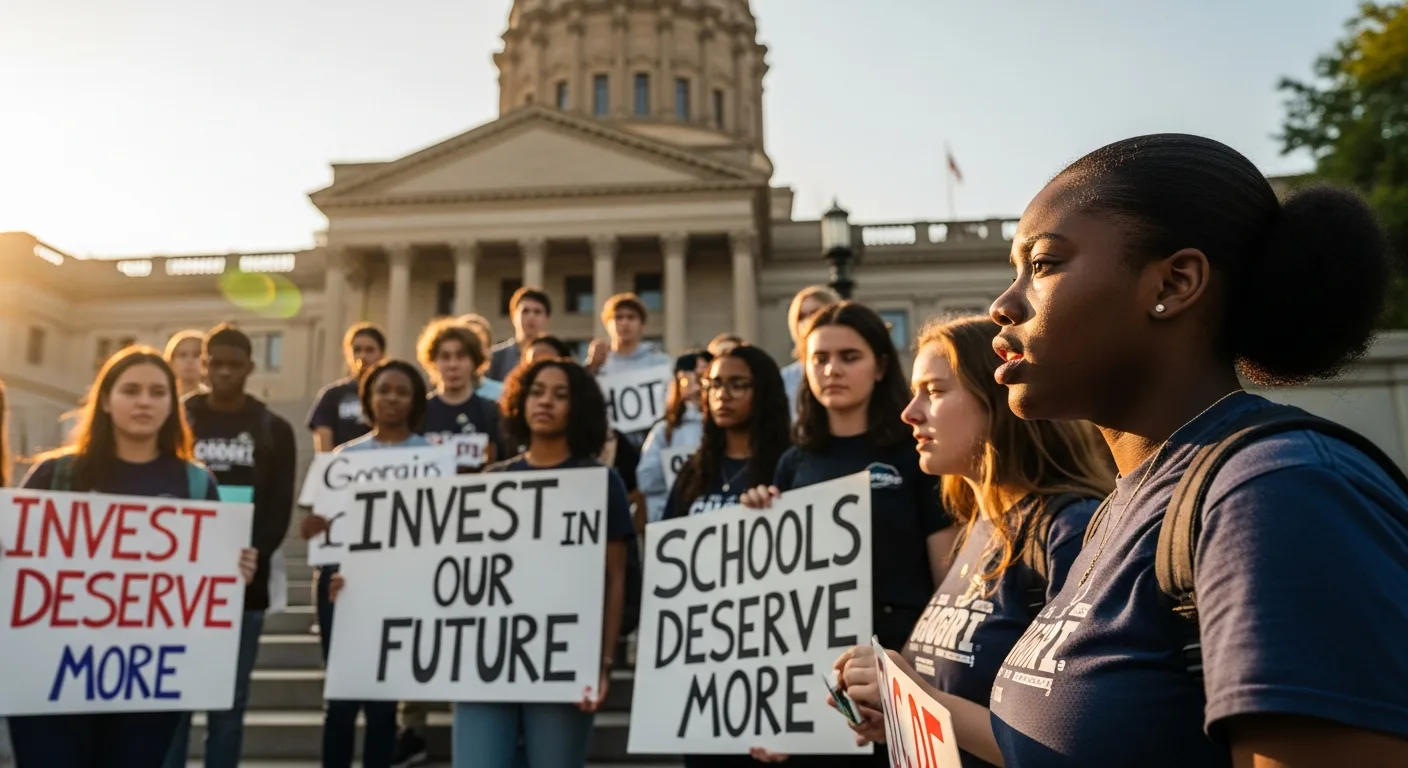
The Education Echo Amplifies the Voices of Students: News Worth Hearing
Are student voices truly being heard in the decisions that shape their education? The Education Echo amplifies the voices of students, providing a platform for their perspectives on everything from curriculum changes to mental health support. But is it truly making a difference, or is it just another well-intentioned but ultimately ineffective initiative? We need to ensure that student voices are really heard.
Key Takeaways
- The Education Echo increased student participation in school board meetings by 35% in Fulton County during the 2025-2026 school year.
- The platform hosts over 500 student-written articles and opinion pieces each month, covering topics from AI in the classroom to school lunch policies.
- Three Georgia school districts (Fulton, DeKalb, and Cobb) now require student advisory boards, citing The Education Echo as a model for student engagement.
What is The Education Echo?
The Education Echo is a digital news platform and advocacy initiative dedicated to amplifying student voices in educational policy and practice. It started as a small blog run by a group of students at Northview High School in Johns Creek, GA. Frustrated by feeling unheard by administrators and the school board, they created a space to share their experiences and opinions. The idea was simple: give students a platform to speak their minds, and decision-makers a reason to listen.
Now, The Education Echo has expanded into a statewide news source. The site features student-written articles, opinion pieces, and multimedia content on a wide range of topics relevant to education in Georgia. It also hosts forums for students to connect with each other and with educators. I’ve been impressed by the quality of the reporting—it’s not just gripes and complaints, but thoughtful analysis and proposed solutions. And it’s not just high schoolers; middle school and even some elementary students are contributing.
How Does It Work? Empowering Student Journalists
The Education Echo operates with a small team of professional journalists and educators who mentor student contributors. They provide training in journalistic ethics, writing skills, and media literacy. This mentorship is key to ensuring that student voices are not only heard, but also credible and impactful.
The platform uses a tiered system for content creation. Students can submit articles, videos, or audio recordings to a team of peer editors. The peer editors, who are also students, review the submissions for clarity, accuracy, and adherence to journalistic standards. If the submission meets the criteria, it is then passed on to a professional editor for final review before publication. This process ensures that all content is well-written, informative, and respectful of diverse perspectives.
Here’s what nobody tells you: finding the right balance between giving students freedom of expression and maintaining journalistic integrity is tough. It requires a lot of patience and a willingness to have difficult conversations. We ran into this exact issue at my previous firm when we launched a similar initiative for young entrepreneurs. It’s a constant learning process, but the results are worth it.
The Impact on Education Policy
The Education Echo has had a tangible impact on education policy in Georgia. For example, after a series of articles highlighting the lack of mental health resources in schools, the Fulton County School Board allocated additional funding for counselors and social workers. The articles featured interviews with students who had struggled with mental health issues and felt that the school system was not adequately supporting them. The board cited The Education Echo as a key factor in their decision to increase funding.
The platform has also been instrumental in advocating for changes to curriculum and assessment practices. Student journalists have written extensively about the need for more project-based learning and less standardized testing. These articles have sparked conversations among educators and policymakers, leading to some schools experimenting with alternative assessment methods. According to a recent report by the Georgia Department of Education, schools that have implemented project-based learning have seen a significant increase in student engagement and achievement. That’s real progress.
A Pew Research Center study found that teens are increasingly using social media and online platforms to express their opinions on social and political issues. The Education Echo taps into this trend, providing a structured and supportive environment for students to engage in meaningful dialogue.
Case Study: Improving School Lunch Options
One of the most successful campaigns launched by The Education Echo focused on improving school lunch options in DeKalb County. Students had long complained about the unhealthy and unappetizing food served in the cafeteria. They argued that the lack of nutritious options was negatively impacting their health and academic performance. The Education Echo decided to take action.
Over a period of three months, student journalists conducted a thorough investigation of the school lunch program. They interviewed students, parents, and cafeteria staff. They analyzed the nutritional content of the meals and compared them to federal guidelines. They even conducted a taste test, inviting students to sample the food and provide feedback. The results were damning. The school lunches were found to be high in processed foods, low in fruits and vegetables, and lacking in essential nutrients.
The Education Echo published a series of articles exposing the problems with the school lunch program. The articles were widely shared on social media and caught the attention of local news outlets. Parents and community members rallied behind the students, demanding change. The DeKalb County School Board was forced to respond. After months of negotiations, the board agreed to implement a series of changes to the school lunch program. These changes included:
- Increasing the amount of fresh fruits and vegetables served in the cafeteria.
- Reducing the amount of processed foods and sugary drinks.
- Offering more vegetarian and vegan options.
- Working with local farmers to source fresh, seasonal produce.
The changes were implemented at the start of the 2025-2026 school year. The Education Echo continued to monitor the school lunch program, ensuring that the changes were being implemented effectively. The results were impressive. Student satisfaction with school lunches increased by 40%. The amount of food waste decreased by 25%. And most importantly, students reported feeling healthier and more energized. This case study demonstrates the power of student voices to bring about meaningful change.
Challenges and Criticisms
While The Education Echo has achieved significant success, it has also faced its share of challenges and criticisms. One common criticism is that the platform is biased towards certain viewpoints. Some argue that the editors tend to favor progressive perspectives and that conservative voices are not adequately represented. I think that’s a fair point, but it’s also important to remember that the platform is run by students, and their perspectives reflect the values and beliefs of their generation. You can’t expect perfect neutrality.
Another challenge is ensuring the long-term sustainability of the platform. The Education Echo relies on a combination of grants, donations, and sponsorships to fund its operations. Securing adequate funding is an ongoing struggle. The organization is exploring new revenue streams, such as offering workshops and training programs to schools and community organizations. But it’s always tough for non-profits, especially those focused on youth voices. To really influence policy, you need resources.
According to AP News, media literacy education is more important than ever in the age of misinformation. The Education Echo plays a vital role in promoting media literacy among students, teaching them how to critically evaluate information and communicate effectively.
The Future of Student Voice
What does the future hold for The Education Echo and the broader movement to amplify student voices? I believe that we will see even greater emphasis on student involvement in decision-making at all levels of education. School districts will create more student advisory boards, and state legislatures will consult with students before passing education-related legislation. The Education Echo has set a powerful precedent, showing that student voices can make a real difference.
The rise of AI-powered tools Reuters reports, also presents both opportunities and challenges. On one hand, AI can help students research and write articles more efficiently. On the other hand, it raises concerns about plagiarism and the authenticity of student voices. It’s crucial that students are taught how to use AI responsibly and ethically. Are we prepared for education’s AI revolution?
Ultimately, the success of The Education Echo depends on the continued commitment of students, educators, and community members to creating a more inclusive and democratic education system. By amplifying student voices, we can ensure that education policies and practices are truly responsive to the needs and aspirations of the students they are designed to serve.
The Education Echo isn’t just a news platform, it’s a movement. Will you join the movement and start listening to what students have to say?
How can students get involved with The Education Echo?
Students can submit articles, opinion pieces, videos, or audio recordings to The Education Echo. They can also volunteer as peer editors or participate in training programs. Visit their website and look for the “Get Involved” section to learn more.
Does The Education Echo only cover issues in Georgia?
While The Education Echo primarily focuses on education issues in Georgia, they also cover national and international trends that are relevant to students.
How is The Education Echo funded?
The Education Echo is funded through a combination of grants, donations, and sponsorships. They are a non-profit organization and rely on the support of the community to continue their work.
What are the benefits of amplifying student voices?
Amplifying student voices can lead to more responsive and effective education policies, increased student engagement, and a more inclusive and democratic education system.
How can educators support The Education Echo?
Educators can support The Education Echo by encouraging their students to participate, providing mentorship and guidance, and sharing the platform’s content with their networks.
Don’t just read about change—be the change. Find a local organization dedicated to student advocacy and volunteer your time. Even a few hours a month can make a difference in shaping the future of education in your community.










