Opinion:
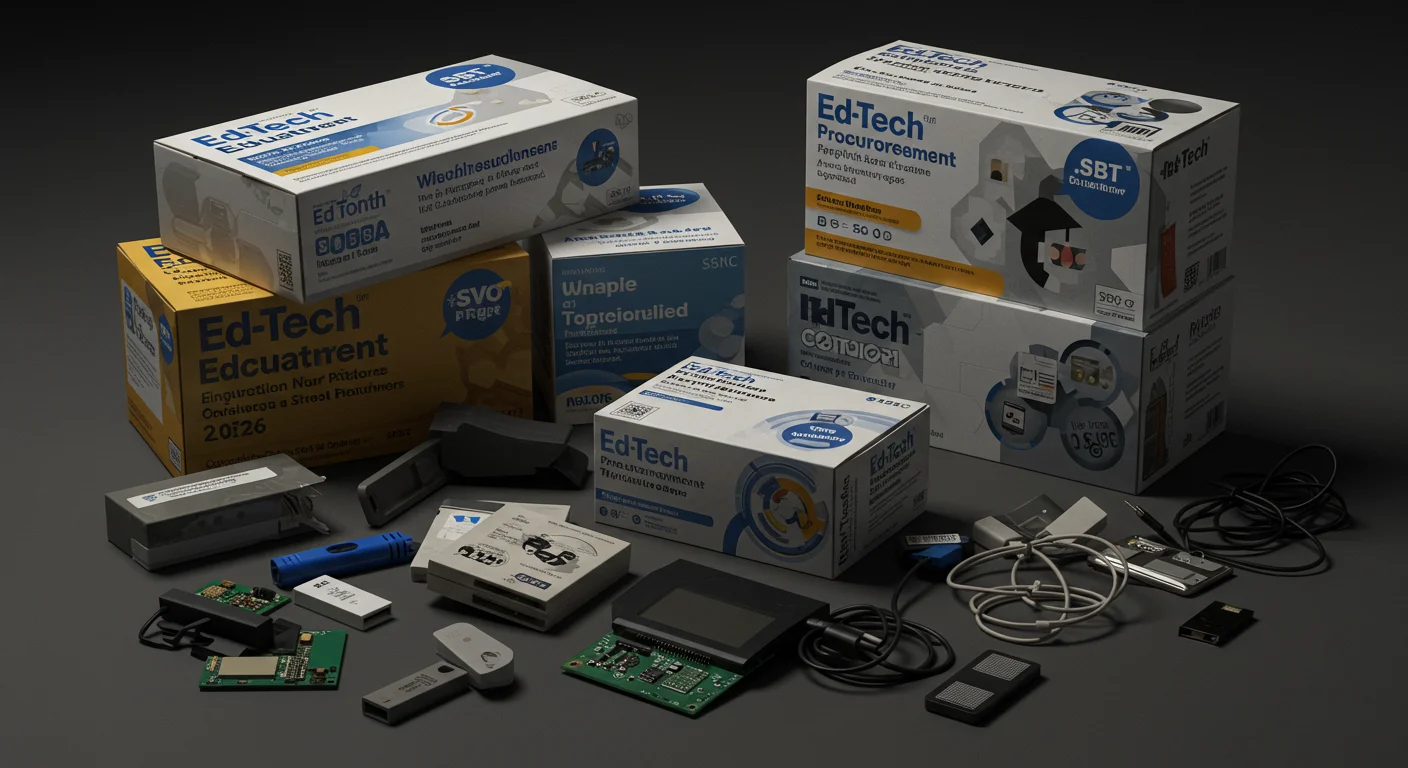
The EdTech sector, valued at over $250 billion globally in 2025, faces a deep ethical reckoning that extends far beyond mere data privacy. While safeguarding student information remains paramount, the industry’s reliance on complex, global supply chains for everything from hardware components to AI model training data introduces a new frontier of ethical responsibility. We must confront the uncomfortable truth: many of the digital tools shaping our children’s futures are built on foundations of opaque sourcing, questionable labor practices, and environmentally destructive processes. How can we truly foster equitable and responsible learning environments if the very instruments facilitating that learning are ethically compromised?
Key Takeaways
- EdTech companies must implement stringent due diligence throughout their supply chains, mirroring standards in other high-risk industries, to ensure ethical sourcing of materials and labor.
- Transparency in AI model development, including clear documentation of training data provenance and algorithmic decision-making, is non-negotiable for ethical EdTech.
- Educational institutions should demand complete ethical sourcing reports from EdTech vendors, making these reports a mandatory part of procurement processes.
- The industry needs a standardized, auditable framework for ethical supply chain practices, moving beyond self-regulation to independent verification.
- Prioritizing repairability and longevity in EdTech hardware design can significantly reduce environmental impact and promote a circular economy model.
The Hidden Costs of Hardware: From Mines to Classrooms
The physical devices powering EdTech, from tablets to interactive whiteboards, are not born in a vacuum. Their creation involves a vast, often shadowy, global supply chain that begins with raw materials extraction. Consider the cobalt, lithium, and rare earth elements essential for batteries and circuitry. A 2023 report by the Business & Human Rights Resource Centre documented persistent human rights abuses, including child labor and unsafe working conditions, in cobalt mines in the Democratic Republic of Congo, a primary source for the world’s supply. While these issues plague the broader electronics industry, EdTech, with its explicit mission to educate and help, bears an even greater moral obligation to address them. We cannot teach ethics in the classroom using devices tainted by unethical practices at their origin.
Manufacturers often deflect responsibility, citing the complexity of tracing materials through multi-tiered supply chains. This complexity, however, cannot excuse inaction. Companies like Apple, for instance, have made strides in supply chain transparency, publishing annual supplier lists and audit results, albeit with ongoing challenges. EdTech providers must adopt similar, if not more rigorous standards. This involves not just tier-one suppliers but extending due diligence deep into the material sourcing level. Anything less is a tacit endorsement of exploitation. The argument that such scrutiny is too costly or difficult misses the point entirely. The cost of complicity, both reputational and ethical, is far higher.
AI’s Ethical Blind Spots: Data, Bias, and Black Boxes
Beyond hardware, the software and artificial intelligence components of EdTech present their own distinct ethical sourcing challenges. AI models, particularly those used for personalized learning or student assessment, are only as ethical as the data they are trained on and the algorithms that govern their decisions. If training data is collected without proper consent, contains inherent biases reflecting societal inequalities, or is sourced from non-reputable origins, the AI system will inevitably perpetuate and amplify those flaws. A recent study published in Nature Machine Intelligence in 2025 highlighted how educational AI systems, when trained on unrepresentative datasets, can disproportionately misidentify learning difficulties in certain demographic groups, leading to inequitable educational outcomes.
The concept of “AI supply chain” extends to the labor involved in data labeling and model refinement. Many AI systems rely on human annotators, often in low-wage economies, performing repetitive and sometimes psychologically taxing tasks. A 2024 investigation by Reuters detailed the harsh working conditions and meager pay for data labelers in some parts of Southeast Asia, whose efforts underpin many sophisticated AI applications. EdTech companies deploying AI must ensure that their data annotation partners adhere to fair labor practices, provide living wages, and maintain safe working environments. The opaqueness of these operations is a significant concern. We need clear, verifiable standards for ethical AI data sourcing, including transparent documentation of data provenance, consent mechanisms, and bias audits. Without this, we risk embedding systemic injustices into the very fabric of future learning.
Towards a Verifiable Ethical Framework for EdTech
The immediate response from some corners of the industry might be to claim existing corporate social responsibility (CSR) initiatives suffice. I disagree deeply. Current CSR efforts, while well-intentioned, often lack the granular detail and independent verification necessary for true ethical sourcing in EdTech. What we need is a mandatory, auditable framework that addresses the specific nuances of this sector. This framework should encompass several critical areas:
- Material Provenance and Labor Standards: EdTech companies should be required to publish detailed reports on their hardware supply chains, identifying countries of origin for key components and providing third-party audit results confirming adherence to international labor standards, including the absence of child labor and forced labor.
- Data Ethics and AI Transparency: For AI-driven products, vendors must disclose detailed information about their training data sets, including collection methodologies, demographic representation, and bias detection protocols. Plus, they should provide clear explanations of algorithmic decision-making processes, particularly for systems impacting student evaluations or learning pathways. The European Union’s AI Act, while primarily focused on high-risk applications, offers a blueprint for regulatory oversight that EdTech could adapt.
- Environmental Impact: The lifecycle of EdTech devices, from manufacturing to disposal, carries an environmental footprint. Companies must commit to sustainable manufacturing practices, use recycled and recyclable materials, and offer strong end-of-life recycling programs. Prioritizing device longevity and repairability, rather than planned obsolescence, is a critical step towards reducing electronic waste. The notion that continuous upgrades are always beneficial for learning overlooks the massive environmental cost.
Educational institutions, as the primary consumers of EdTech, hold significant power to drive this change. Procurement decisions should not solely rest on features and price. They must integrate rigorous ethical sourcing requirements. Imagine a public school district in Fulton County, Georgia, demanding a complete ethical sourcing report from a tablet vendor before signing a contract. Such a shift in procurement policy could send a powerful signal through the industry. The argument that this adds complexity to purchasing is facile. Ensuring the tools we provide to students are ethically sound should be a foundational, not optional, consideration. This isn’t an abstract ideal. It’s a practical imperative for an industry built on shaping young minds.
The future of education hinges on more than just technological advancement. It depends on the ethical integrity of the tools we employ. EdTech must move beyond superficial data privacy promises and embrace a well-rounded approach to ethical sourcing across its entire value chain. This requires transparency, accountability, and a willingness to confront uncomfortable truths about how our digital learning environments are constructed. The onus is on industry leaders, policymakers, and educational institutions to demand and implement these changes, ensuring that innovation in education truly serves the greater good.
What is meant by “ethical sourcing” in EdTech?
Ethical sourcing in EdTech refers to ensuring that all components of educational technology products, from raw materials and manufacturing labor to software development and AI training data, are obtained and produced under fair, safe, and environmentally responsible conditions, free from exploitation or harmful practices.
Why is ethical sourcing more than just data privacy for EdTech?
While data privacy protects student information, ethical sourcing addresses the broader social and environmental impact of EdTech products. This includes human rights in hardware supply chains, fair labor practices for AI data labeling, and the environmental footprint of device manufacturing and disposal, extending far beyond the digital area.
How can educational institutions influence ethical sourcing in EdTech?
Educational institutions can influence ethical sourcing by incorporating stringent ethical requirements into their procurement policies, demanding detailed ethical sourcing reports from vendors, and prioritizing companies that demonstrate verifiable commitments to fair labor, environmental sustainability, and transparent AI development. For instance, a school board might require vendors to certify compliance with specific international labor standards.
What are the main risks of unethical sourcing in EdTech?
The main risks include perpetuating human rights abuses (e.g., child labor in mining), contributing to environmental degradation (e.g., electronic waste), embedding biases into AI systems, undermining trust in educational technology, and in the end failing to uphold the ethical principles that education itself aims to instill.
What steps can EdTech companies take to improve their ethical sourcing?
EdTech companies should implement strong supply chain due diligence, conduct independent third-party audits of suppliers, increase transparency in AI model development and data provenance, prioritize sustainable design and materials, and collaborate with industry bodies to establish and adhere to verifiable ethical standards. This requires investment and a fundamental shift in operational priorities.