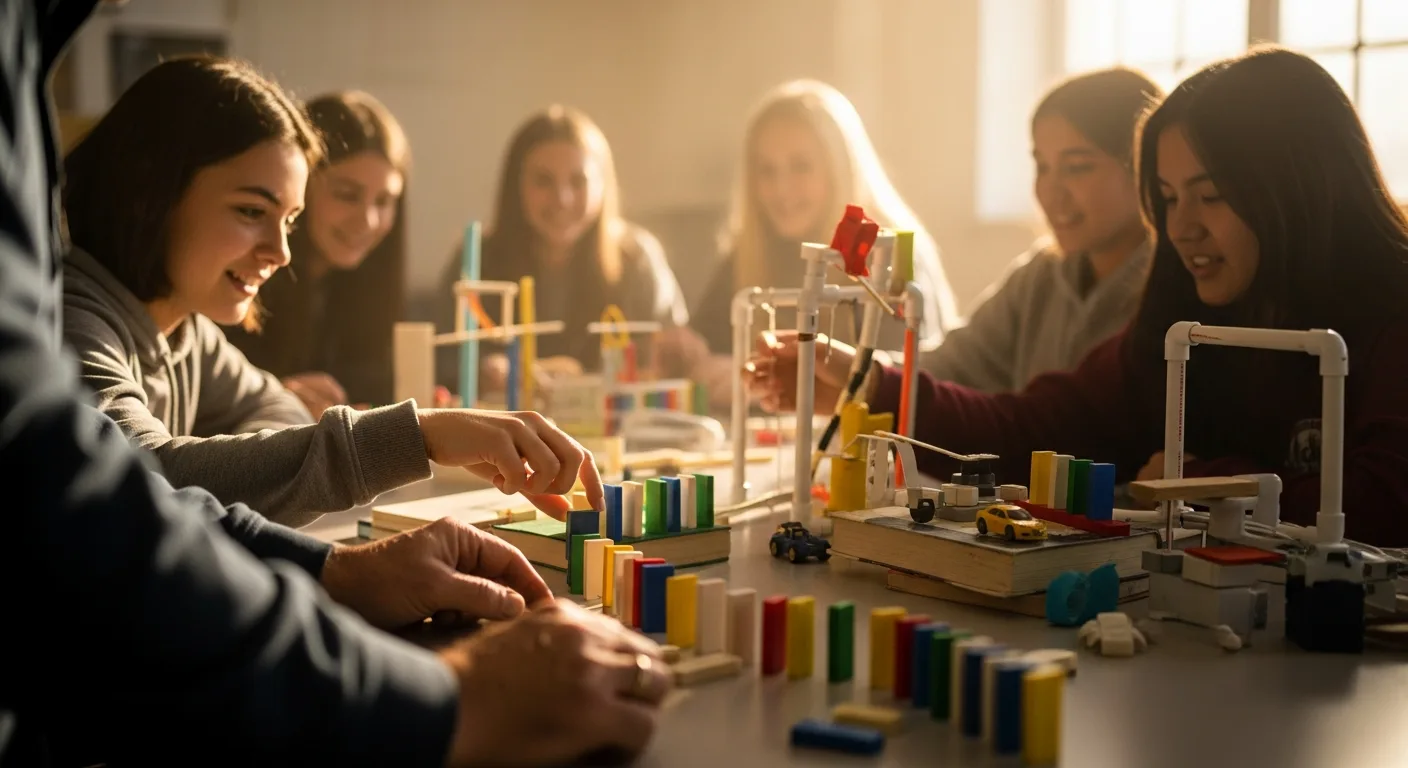
The current narrative around education often overlooks the most valuable resource: the student’s own perspective. We must move beyond standardized tests and rote memorization to truly understand the learning process. Are we really listening to what students have to say about their experiences, or are we just telling them what to think?
Myth 1: Student Opinions are Uninformed and Irrelevant
The misconception is that students, lacking the experience of educators, cannot offer valuable insights into their own learning. They’re seen as passive recipients of knowledge, not active participants.
This couldn’t be further from the truth. Students are the ultimate consumers of education. They experience firsthand the effectiveness (or ineffectiveness) of teaching methods, curriculum design, and the overall learning environment. They know what motivates them, what confuses them, and what resonates with them. Dismissing their perspectives is like ignoring customer feedback in any other industry – a recipe for disaster. I remember one student I worked with at North Fulton High School last year. He struggled with algebra not because he lacked the ability, but because the way it was taught didn’t connect to his interests. He was really into skateboarding, so we started framing algebraic problems around calculating angles and distances for tricks. Suddenly, he was engaged and excelling. The problem wasn’t the student; it was the approach.
Myth 2: EdTech Automatically Enhances Learning
Many believe that simply introducing education technology (edtech) into the classroom automatically improves learning outcomes. The more gadgets, the better, right?
Wrong. Edtech is a tool, and like any tool, its effectiveness depends entirely on how it’s used. Slapping a Khan Academy video on the projector doesn’t guarantee understanding. In fact, poorly implemented edtech can be distracting and even detrimental. Think about it: How many times have you seen students scrolling through social media on their laptops during class, supposedly researching for a project? The key is to integrate edtech thoughtfully and purposefully, focusing on tools that promote active learning, collaboration, and personalized instruction. For example, platforms like Nearpod can be excellent for creating interactive lessons and gathering real-time feedback, but only if teachers are trained to use them effectively. This is a common oversight I see in Fulton County schools. Schools invest in expensive technology, but don’t provide adequate professional development for teachers to actually use it well.
Myth 3: Standardized Tests are the Only True Measure of Success
This myth equates high scores on standardized tests with genuine learning and future success. If a student aces the Milestones test, they’re deemed “smart” and “prepared.”
While standardized tests can provide a snapshot of certain skills, they fail to capture the full spectrum of a student’s abilities, creativity, and potential. They often prioritize rote memorization over critical thinking and problem-solving. What about collaboration, communication, and adaptability – skills that are increasingly crucial in the 2026 job market? A student might struggle on a multiple-choice test but excel in hands-on projects, creative writing, or public speaking. Focusing solely on test scores creates a narrow and often inaccurate picture of student achievement. We need a more holistic approach that values diverse talents and learning styles. In fact, the Georgia Department of Education is exploring alternative assessment methods, like portfolios and performance-based tasks, to get a more comprehensive understanding of student learning. Let’s hope they follow through.
Myth 4: All Students Learn the Same Way
The outdated notion that every student thrives under the same teaching methods and curriculum. “One size fits all” is the mantra.
This is demonstrably false. Students have diverse learning styles, backgrounds, and needs. Some are visual learners, others are auditory, and still others are kinesthetic. Some require extra support, while others thrive on independent study. Ignoring these differences is a surefire way to leave many students behind. Personalized learning, which tailors instruction to individual student needs, is essential for maximizing learning outcomes. This could involve differentiated instruction, flexible grouping, or the use of adaptive learning technologies. I had a client last year whose son was diagnosed with dyslexia. The traditional reading instruction wasn’t working, and he was falling behind. We worked with his teachers at Crabapple Middle School to implement a multi-sensory approach, using tools like Bookshare and specialized reading programs. Within a few months, he was making significant progress. The key was recognizing his unique needs and adapting the instruction accordingly. Here’s what nobody tells you: truly personalized learning requires a significant investment of time and resources. It’s not a quick fix, but it’s worth it.
Myth 5: News about Education is Always Objective
The belief that news reports on education are unbiased and present a complete picture of the issues.
News outlets, even those dedicated to education technology (edtech) and related topics, often have their own agendas or biases. They may highlight certain trends or initiatives while downplaying others. They might focus on sensational stories or controversies rather than the everyday realities of teaching and learning. It’s important to be a critical consumer of news, seeking out multiple perspectives and evaluating the sources of information. Look for reporting that is evidence-based, data-driven, and includes diverse voices. I make it a point to read articles from both mainstream media outlets and independent education blogs to get a more balanced view of what’s happening in the field. And always ask yourself: Who benefits from this narrative? What are they not telling me?
How can parents encourage their children to share their perspectives on learning?
Create a safe and supportive environment where children feel comfortable expressing their opinions without fear of judgment. Ask open-ended questions about their school day, listen attentively to their responses, and validate their feelings. For example, instead of asking “Did you have a good day?”, try “What was the most interesting thing you learned today, and why?”
What role does student feedback play in improving education technology (edtech) tools?
Student feedback is invaluable for edtech developers. It helps them identify usability issues, assess the effectiveness of features, and understand how students are actually using the tools. Many companies now conduct user testing and surveys with students to gather this crucial information.
How can teachers effectively incorporate student voice into curriculum development?
Teachers can involve students in the curriculum development process by soliciting their input on topics, activities, and assessment methods. They can also use student-generated content, such as essays, presentations, and artwork, as part of the curriculum. This not only makes the curriculum more relevant and engaging but also empowers students to take ownership of their learning.
What are some potential drawbacks of relying solely on student opinions?
While student opinions are valuable, they should not be the only factor considered in educational decision-making. Students may lack the experience and expertise to fully understand the complexities of curriculum design, pedagogy, and assessment. It’s important to balance student perspectives with those of educators, administrators, and other stakeholders.
How is the Georgia Department of Education working to incorporate student voice into its policies?
The Georgia Department of Education has several initiatives aimed at incorporating student voice, including student advisory councils and surveys that gather feedback on various aspects of the education system. They also encourage schools and districts to create opportunities for student involvement in decision-making processes.
We need to shift from a top-down approach to a more collaborative model, where students are seen as partners in the learning process. By genuinely offering unique perspectives on their learning experiences, we can create a more engaging, relevant, and effective education system for all. Stop thinking of student input as optional. Start treating it as essential.










